Spotting the bot slop

By Communication theory, Communications craft, content, SEO, Uncategorized

By Gideon Todes and Katryna Turner

content, SEO, Thought leadership

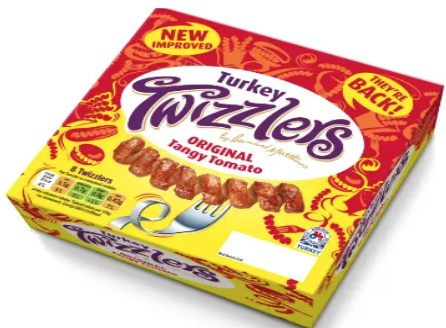
A few years back Jamie Oliver did an expose on Turkey Twizzlers, mechanically recovered meat that was both cheap to produce, had very little nutritional value, bore little relation to any real turkey and was satisfying to children, but not in a particularly healthy way.

And where nutrition goes, so too does information. As we enter the AI age, it’s possible to produce content for the sake of marketing in a comparable way as Turkey Twizzlers.

Highly engineered for a particular palate, in this case the google search engine, low on real information and authenticity. The other similarity is that the more you investigate how it’s produced the less appealing it becomes.

Slop text and junk food share many attributes. You read slop and it leaves you with the sensation that you’ve read something, but the content hasn’t really told you very much. There will be a lot of on one hand …and then again on the other, with a good sprinkling of the famed em dashes, but real content with opinion and personality will be hard to find.
If you’re using AI to help you write, the food analogy is helpful.

Where cooking a pie is time intensive you can always buy one ready made. If it lacks a little authenticity you can add some of your own herbs to help that fresh flavour that factory food can’t replicate.

One person I know takes a certain brand of fish pie, and because he considers their offering a bit short on real fish, adds some actual fish under the crust.

You can do the same with writing with AI. Add some personally harvested information and suddenly the somewhat anodyne writing feels more authentic and better researched.

Just like fresh herbs, fresh content is the hardest thing for a machine commoditising process to emulate.

A particular interview with a particular point that illustrates a more general issue is what distinguishes an authentic piece of writing, say by a first rate journalist, from the run of the mill AI slop.

All of this is well understood by the AI tech giants and this year Google has raised its game and created its EEAT update. EEAT in case you aren’t aware of the acronym, stands for Experience, Expertise, Authority and Trust. In other words, the search engine system wants to see named authors with a history of expertise in the field showing their experience and expertise before they send their search clients to your site.

How deep this goes is yet to be seen but google will integrate your EEAT score with the bounce rates to see how your content stacks up.

One thing we’ve noticed is that the quality of content writing is already showing an improvement. Some of the more obviously sloppy content is already disappearing and being replaced with visibly more muscular informative content.

One area of interest for the authors is professional services: How will AI affect the content that supports marketing for these?

If you are looking for your next consultant to do that big engagement, it helps if their organisation puts out engaging relevant insightful content. Too much slop and you might question their credentials even if their brand history suggests deep sector knowledge.

As you bring an editor’s eye across material from various places, there are some good performers doing it better than others.

Goldman Sachs seems to have effectively a mini broadcast station on Youtube where it makes use of its expertise in nicely produced intelligent content. The written content stands out as a quality offering too and the mix of original content, and a clear point of view means that this is way above the slop fare. A review of McKinsey’s content by contrast was disappointing. Quite a lot of obviously self serving content that is lacking a journalistic feel. This had a more consultant style of writing, but a consultant who doesn’t want to divulge the real story.

Use a bot to spot a bot

For a bit of fun and to develop a tool, the authors of this paper enlisted the help of Claude, our friendly AI bot and developed our own tool for evaluating content.

We started by asking Claude for a definition of AI Slop. We then asked it to build a tracker table of all the slop and not slop we were feeding into it. 0 represented original human form nutritious content, and 10 was max slop.

We also experimented with taking text that was AI generated, and adding human sourced content into it.

For comparison, we put David Abbott’s famous Chivas regal copy into the AI slop tracker. This masterpiece of copywriting was created 10 years before Tim Berners Lee had even conceived his hyper text language.

David Abbott, Chivas Regal ‘Father’s Day’, 1980 — Abbott Mead Vickers / DDB

The deeply personal granular information, the way the text operated between the lines meant that perhaps unsurprisingly the AI Slop factor was determined to be zero.

But on the kind of texts that would have Abbott turning in his grave, the AI Slop factor was considerably higher.

These were the results. But you can ask Claude to do similar for any piece of text you chose,

Slop factor tracker — professional services & advertising

Lowest Slop factor Category Score Key reason for score

Chivas Regal ‘Father’s Day’

David Abbott, 1980 — Abbott Mead Vickers / DDB

Advertising 0.5 Repeated ‘Because’ paragraphs, 285 words, brand named once. Autobiographical, pre-AI, zero filler. Half-point only because zero isn’t on the scale.

When AI learns how the world works

Goldman Sachs

Finance / research 1.5 Named authors (Lee, Keyserling), named researchers (LeCun, Li, World Labs), genuine thesis on world models vs LLMs. Earns its length.

Beyond the Employment Rights Act — NDA consultation

Freshfields

Legal 1.5 Named partners (Mendel, Carruthers), specific legislation (s.202A ERA 2025), 8 July 2026 deadline cited. Dry but zero padding.

Where are gas prices actually squeezing spend?

Consumer Edge

Data / research 2.0 Named author (Gunther, SVP Research), proprietary transaction data, counterintuitive CA vs AZ thesis. Stops where paywall begins.

2026 Global M&A industry trends

PwC

Consulting 2.5 Named authors, specific megadeal counts (26 tech, 13 banking), OECD projections cited. K-shaped framing is sharp. Some M&A boilerplate.

AI-first mission: reimagining professional services

PwC

Consulting / AI 2.5 Sharp framing (‘AI extends expertise, judgment creates value’) but light on evidence. Brand narrative with no survey data or named authors.

Economic conditions outlook, Dec 2025

McKinsey

Consulting / macro 3.0 1,011 respondents, 81 nations, named author (Sven Smit). Quarterly template is formulaic; hedged to vagueness in places.

GT unveils AI tool pairing pros with agents

Grant Thornton

Accounting / PR 6.5 Named quotes but almost every line is brand language: ‘world class service,’ ‘ever evolving commercial and technology landscape,’ ‘unlock new opportunities.’ Press release genre, but the slop density is high.

HR trends to watch in 2025: building the human-centric workplace

Workday

HR tech / B2B 7.5 No named authors. Dense with ’empower your workforce,’ ‘ever-changing landscape,’ ‘thrive in 2025 and beyond.’ Cites ‘according to research’ without attribution — three times. Product-led lead-gen dressed as insight.

HR trends in 2025: what’s shaping the future of work?

Staffbase

HR tech / B2B 8.5 Opens ‘Human resources is a dynamic field, constantly evolving.’ ‘Blockchain is a game-changer for HR.’ ‘Drive meaningful change.’ Anonymous authorship, every section an SEO checklist. References ‘a recent Forbes article’ without linking it.
Highest slop factor

A couple of trends are becoming clearer.

First, as the cost of producing TV and written content comes down, you no longer have to be a broadcasting organization to do it. Anyone with a higher level iphone and a microphone and a quiet office can do it.

A Goldman Sachs type operation with its highly paid, highly motivated workforce can with a little effort start to eat the lunch of business broadcasting channels with their in-house efforts.

The second thing that is emerging is that just as AI is helping produce slop, other forms of AI will, like we have just done, be used to weed it out.

So rather than seeing AI as the tool that creates the noise, it could focus us humans on producing more fresh content.

But you don’t have to have a Goldman Sachs budget to be able to do less sloppy things. One of the recent content activities your author has been engaged in recently is doing zoom interviews with end user clients. Intercut that with end user social content and you get some real content bangs for buck. See this short video profile.

This turns out to be quite useful beyond EEAT. Talking to customers is always a great idea and grabbing content, understanding targets and tidying up any user feedback issues can all be done in one interview.

So rather than seeing AI as the ushering in a sewerful of sloppage, there is a more positive take: We can see it as a tool that’s part of a dynamic equilibrium, between machine and human interaction, and between commoditisation and individuality.

It’s not only less depressing to see it that way, it’s probably a more accurate representation of what’s going on in our world.

Far from being a race to the bottom the AI take over of content might just become a slow wobble to the top.
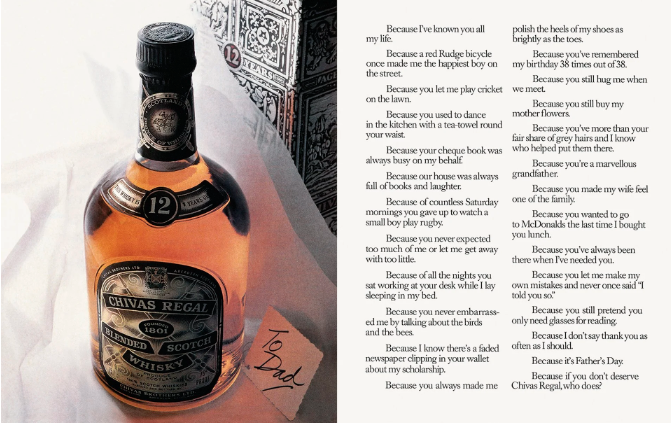
Abbott at his deeply personal best


What is a beat?

By Communications craft, Uncategorized

South Park creators explain how to know if you’ve actually got a series of beats or just a boring lot of mush.

‘We take these beats which are basically the beats of your outline, and if the words “and then” belong between those beats, you got something pretty boring.

What should happen between every beat that you’ve written down is either the word “therefore” or “but“, right?

So what we’re saying is that you come up with an idea: This happens, and then this happens.

No! – it should be this happens, and therefore this happens.

But this happens, therefore this happens, and that as soon as we are able to make sure we’re doing it (consistently), we’ll have our beats.’

When there’s no call to action

By Uncategorized

A call to action is an important beat. When it’s missing, it leaves a sort of  “So what?” feeling after reading it or watching whatever the piece is. After all, if you don’t want me to do anything different, why are you talking to me in the first place? Here is a perfect example where Kate just tells us to shine. If there had been a more actionable request at the end, and the narrative had have led to the request the whole piece would feel so much less “So what” and it would have got a way better reception:

cgrice- Ideas around a conversation

By Uncategorized

Working with a team in Lahore, I’ve learned about a new English philosopher called Grice.

https://www.studysmarter.co.uk/explanations/english/pragmatics/grices-conversational-maxims/

If you think about a piece of copy as a conversation with the reader, all of his ideas are very useful.


The idea is that four elements or maxims of quality, quantity, relevance and manner lie behind any real conversation. And you can assume the other party has the same intentions.

Of course if you’re talking to a chatbot, you might find none of the maxims really apply…

Booby prize for structure

By Communications craft, content, Story, Structure, Uncategorized, What's out there now
Periodically, you see an article that is completely devoid of any structure, and it is running in a quality broadsheet, which makes it all the more puzzling. The following article is written by Daisy Goodwin, an established screenwriter credited for Victoria, but it seems in this piece, she’s all about plugging her book and to hell with any real coherence.
If you were to analyse where it goes wrong structurally, it’s that there isn’t a clear question or problem developed, in the second beat.
The line: “Can I, as a woman in my seventh decade, expose my chest with a straight face?” seems like it’s the question being posed, but immediately after this line, the question is dismissed with “another issue” which then muddies the waters. So because there’s never a clear question developed the whole piece comes over as a complete ramble.
When it was first published comments were allowed, all of the comments were negative and complaining of the narcism of the writer. The level of complaint was very high so Times Newspapers presumably closed down the comment section as a way of managing the onslaught. Which suggests that lack of structure is the easiest way to irritate your readers.
FIRST PERSON

Daisy Goodwin: how my breasts made headlines this year

The writer and TV producer has no regrets about naming the man she accuses of sexually assaulting her in Downing Street. It sparked a debate about women and power in politics — and forced her to think again about her own body

Daisy Goodwin, wearing her Jasper Conran dress, photographed in the Revery Bar at London Hilton on Park Lane
DAN KENNEDY FOR THE TIMES MAGAZINE. HAIR: TIM CRESPIN AT ARLINGTON ARTISTS. MAKE-UP: JULIA WREN AT CAROL HAYES MANAGEMENT USING SHISEIDO
The Times
Share
Save

It is the perfect dress, black, belted, pocketed and with a square neckline reminiscent of a Renoir barmaid. It fits perfectly and I couldn’t be happier, except for one or rather two problems. That exquisite square neckline is cut to reveal a great deal of what my father calls embonpoint. It is a dress that demands a heavily engineered bra and a Marilyn smile. In short, it is a dress designed to show off what used to be called “my assets”. And therein lies the rub. I love the dress, but there is something about the decolletage that makes me feel uncomfortable. I feel as if I am indulging in a kind of performative femininity: Elizabeth Taylor in her pomp, any Jane Austen adaptation or even RuPaul’s Drag Race. Can I, as a woman in my seventh decade, expose my chest with a straight face? And then, of course, there is another issue…

Six months ago my bosom became briefly famous as the object of the unwanted touch of a man who was running to be the Conservative candidate for London mayor. We had met at Downing Street to talk about reality TV in 2013, but our conversation had ended not in a handshake but a grope. It was an encounter that I laughed off at the time, thinking that this man, although he was more than ten years younger than me, was very much on the wrong side of history.

But in the wake of the #MeToo movement I realised that I had done my daughters’ generation a disservice by not speaking out, and in 2017 I wrote about the encounter in Radio Times without naming the man in question. I woke up the next morning to find that most of the newspapers running the story had found pictures of me that emphasised my “assets” to put on their front page. While nobody would be foolish enough to say it in print, the picture editors had found a way of suggesting that I might be asking for it.

• Daisy Goodwin: Why I’m naming the man who groped me at No 10
• Whitehall won’t investigate Daniel Korski groping claim

Perhaps I am being unduly sensitive, but when I decided to name Daniel Korski as the man who had groped me in No 10, I made sure that the newspaper carrying the story used a picture of me that did
not involve my breasts. And to be fair most of the media outlets that reported the story subsequently made the effort to find pictures that made no implicit comment. I think one of the many reasons that so few women speak out about sexual harassment and assault is because they don’t want their breasts, buttocks or thighs to become public property in that sense. In many ways, it feels like a second assault.

All these thoughts go through my mind as I try on the dress for this photoshoot. As I angle my body towards the camera according to the photographer’s instructions, I wonder why I don’t mind posing in this way and yet feel uncomfortable when a similar picture is used to accompany the story of the special adviser who groped me. The answer, I think, is context. A picture of me that is used to accompany something that I have written has a very different meaning from that same picture when it is used to illustrate a story about me. The picture that accompanies this story is published with my consent because it is germane to the story — use this same picture to accompany an article about women who have made accusations of sexual harassment and it is taken out of context. Just as an intimate selfie sent to a lover is a token of affection, but when published online it becomes an assault.

But I admit it is a tricky line to hold. When I look at the Insta accounts of my daughter and her friends, which are full of bikini selfies, I wonder how these pictures will look to future employers or in-laws. On the other hand, what is wrong with young women celebrating their perfect bodies? I may have qualms about who is looking at the picture of my daughter and why, but that shouldn’t stop her doing it if that is what she wants to do. I don’t want women to feel the need to self-censor images of themselves because there might be people out there who construe these pictures as a come-on.

Young women are quick to call out any comments on their clothes by an older generation as slut-shaming — and they are right to do so. We are, I hope, beyond the times when women were banned from Royal Ascot or refused a table at El Vino for wearing trousers. It’s interesting that today, when dress becomes an issue in the corporate sphere, it is invariably because women don’t want to wear the traditional feminine trappings of high heels, skirts or make-up.

I grew up in the Seventies at a time when androgyny of the Diane Keaton in Annie Hall variety, all waistcoats and wide-leg trousers, was in vogue. For someone with curves this was not an achievable look. It was the advent of Madonna that made a more feminine silhouette fashionable. I spent most of my youth happily wearing short skirts and baggy jumpers, but I would have felt horribly exposed wearing a low-cut top, even if my skirt was practically a belt.

The difference between my teenage underwear drawer and that of my younger daughter is telling — I only had two bras, both of them rather serviceable, while my daughter has about 20 of what can only be called “confections”. When she goes out, her “assets” are clearly displayed and she looks great. She has a body confidence of which I could only have dreamt at her age. I suppose if you grow up in an era where you are constantly looking at images of yourself, you learn quickly what looks good.

Elizabeth Taylor with her fourth husband, Eddie Fisher, in the early Sixties
GETTY IMAGES

I started buying better bras after having children and sporting a cleavage seemed to be some compensation for the depredations motherhood had wrought on other parts of my body. Breastfeeding left me several cup sizes bigger — like most British women, I had no idea how to find the right size, thinking I was a 36C when I was really a 34EE. For some reason, I felt much less self-conscious about wearing low-cut tops once I was a mother — it feels less outlandish when you are carrying a baby on your hip.

But I always put them away at work. The corporate cleavage world of Karren Brady or, whisper it, Baroness Mone was not for me. The world of TV production is definitely dress-down. Wearing a low-cut top feels a bit Stringfellows when everyone else is either dressed like kd lang or a midwestern mom blogger in cowboy boots and a prairie dress.

On the day I visited No 10, I was wearing a jacket over a dress. There was nothing about my outfit that could be construed as anything other than businesslike. But that is the point. Men who harass or assault women are not motivated by lust. They are not provoked by short skirts or revealing necklines — the urge to touch a breast or slap a bottom comes from the desire to humiliate and belittle. Harassment has nothing to do with attraction and everything to do with power. It is about showing a woman who’s boss.

The only thing that guarantees women’s safety is the education of men. Today’s students may squirm at the idea of consent classes, but in a world where every permutation of porn is available online, there are probably a lot of young men who need reminding that, in real life with real women, different rules apply. I know mothers who say that their sons are too scared to break up with their girlfriends because they are terrified of making an approach to a new woman in case they get it wrong. I find that quite hard to believe. If true, though, it only approximates to the risk that every woman takes when she finds herself alone with a new man.

As a married woman in midlife, I don’t have to negotiate the delicate power dynamics of modern dating. Even so, when I put on my perfect black dress, I do feel transgressive — is this pouting creature in heels and a slash of red lipstick really me? Or am I the woman in the cardigan and boots who spends all day in the library? Am I betraying my novelist/screenwriter/producer/professional woman credentials by going glam? My gay best friend, and coincidentally the designer of the perfect dress, Jasper Conran, has no doubts at all: “Why wouldn’t you want to look gorgeous?”

Madonna in her iconic Jean Paul Gaultier conical bra, 1990
GETTY IMAGES

It’s not a question I can answer. I suppose there is a part of me that feels that perhaps I should be over the teenage obsession with how I look and the effect it has on other people. But then I go to a party full of people I have known since my schooldays and the men tell me I look great and the women ask me where I got the dress — except for one who asked me if I was cold. I go home feeling pleasantly buoyant. It feels good to be looked at with admiration and, no, I don’t feel cold at all.

There is no hetero male equivalent of cleavage. I can honestly say that my eyes have never lingered longingly on a man in tight trousers. A manly chest is appealing, but you don’t often find them at the kind of parties I go to. But even if the man standing next to me at a social event removed his shirt to reveal a chest like Channing Tatum’s, I wouldn’t think, “Oh, he must want me to run my hand through his chest hair.” I wouldn’t want to fondle his black Amex card either. Women from Mary Magdalene onwards have no problem with the concept of noli me tangere — touch me not.

My daughter loves my new dress and finds all my qualms about age and signals absurd. “If you’ve got it, Mum, flaunt it.”

When I explain my concerns about the semiotics of my bosom (not a sentence I ever thought I would write), Jasper sighs and speaks slowly, as if to a child that is slow on the uptake. “Imagine that you are the Mona Lisa, safely tucked away behind bulletproof glass. Everyone goes to the Louvre to look at the Mona Lisa, but look is all they are allowed to do. If they touch the painting, all hell breaks loose.” I give him an enigmatic smile in return.

But he is absolutely right. Just as women should speak out whenever a male hand lingers uninvited, so they should have the right to wear whatever they like, wherever they go. Nobody, particularly not men, should be policing women’s clothes. I don’t have piercings, inkings or wear anything see-through, but I would defend any woman’s right to do so unmolested. And as for cleavage, a few years ago I had a tumour cut out of one breast, so I have decided to be grateful that I have a decolletage at all.

Daniel Korski denies touching Daisy Goodwin inappropriately. He dropped out
of the race to become the Conservative London mayoral candidate

Daisy Goodwin’s new novel, Diva (Aria, £20), is published on March 14. To order a copy go to timesbookshop.co.uk or call 020 3176 2935. Free UK standard P&P on online orders over £25. Discount for Times+ members

Pinker on style

By Uncategorized

Anyone tasked with writing a style guide will know what a minefield such an endeavour is. Stephen Pinker brings his usual brilliant mind to bear on the issues involved.

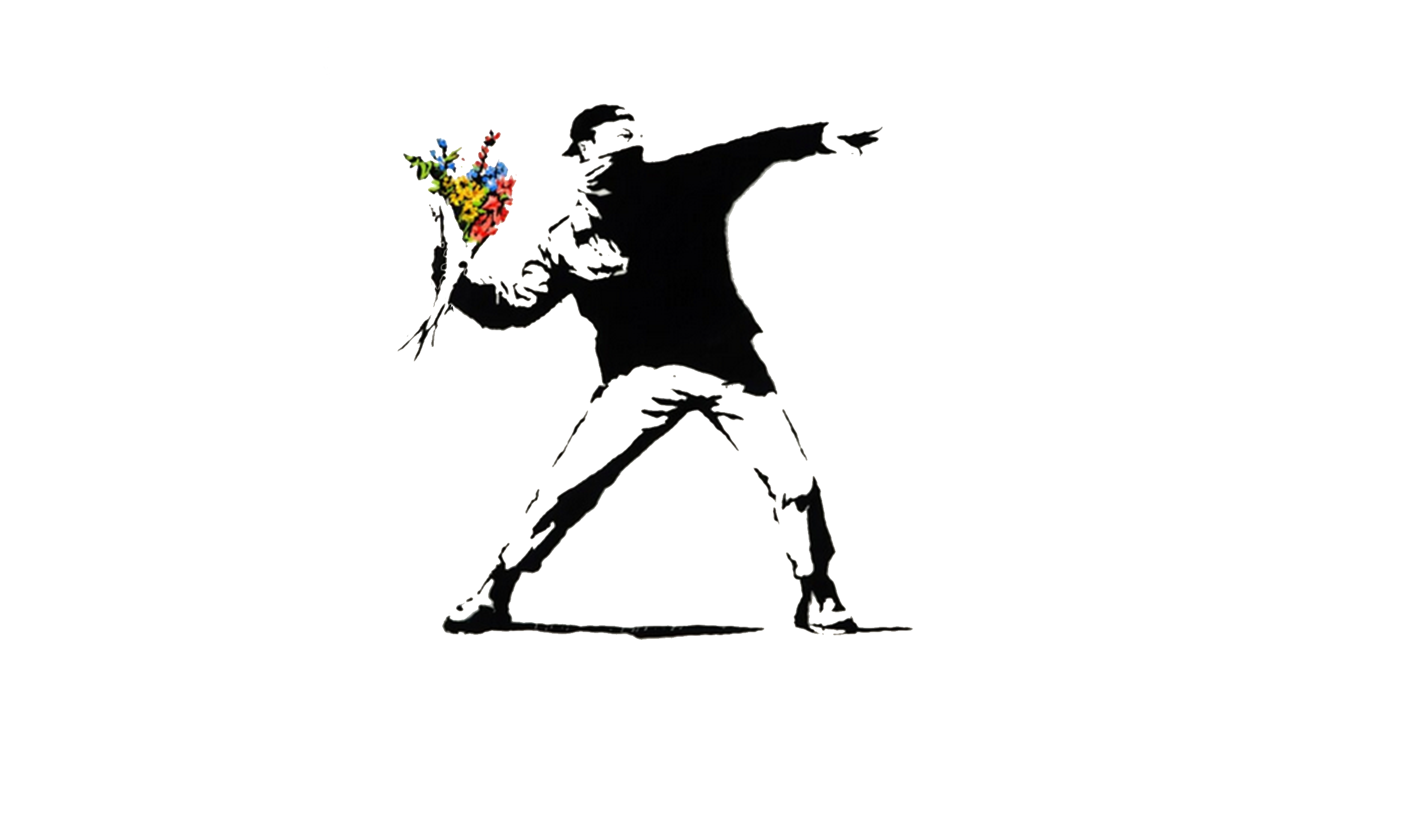
Banksy

By Communication theory, Creativity

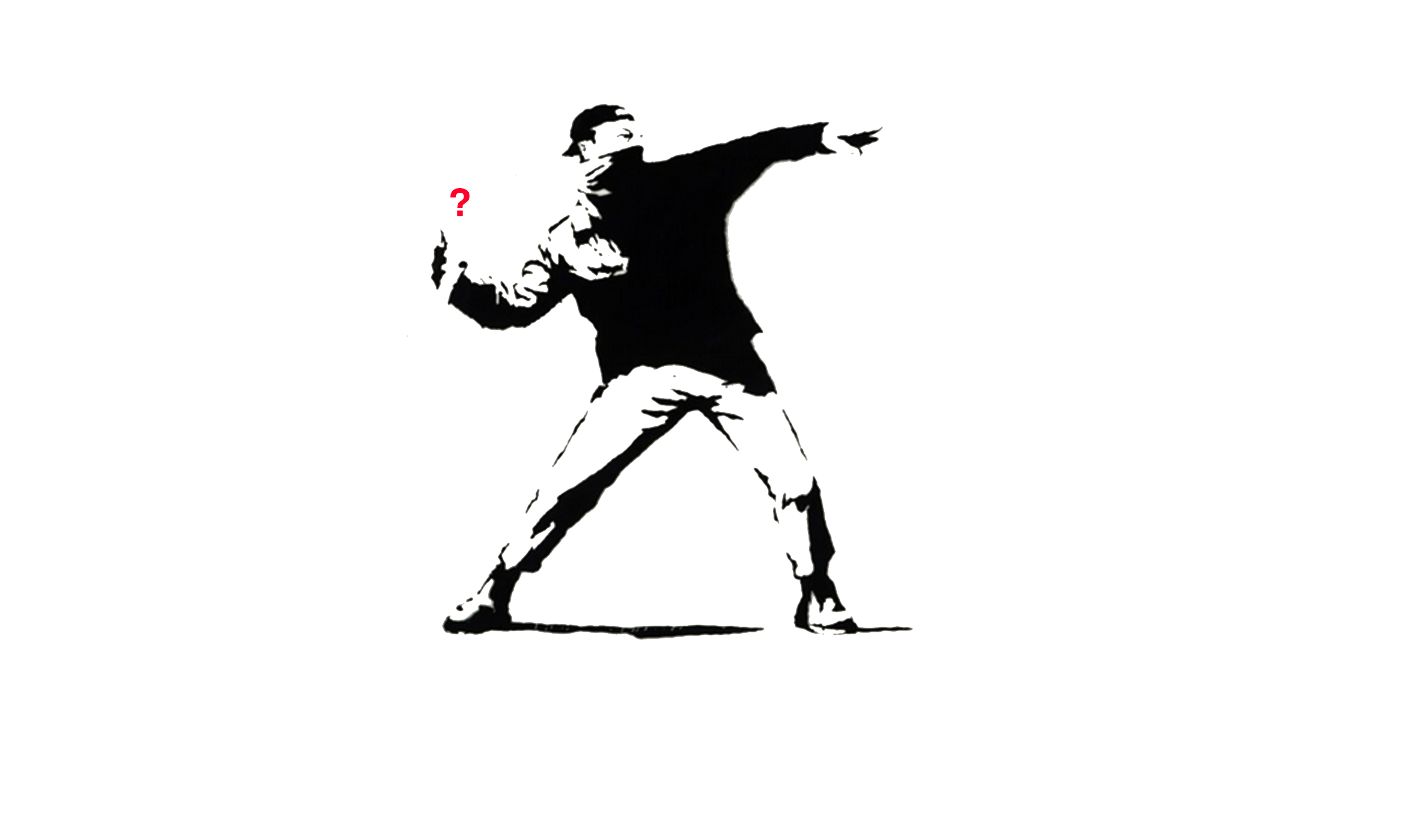
One of the simplest types of ideas to pull apart are those without a proposition underneath them. And Banksy is a master of ideas for their own sake. Let’s take a closer look.

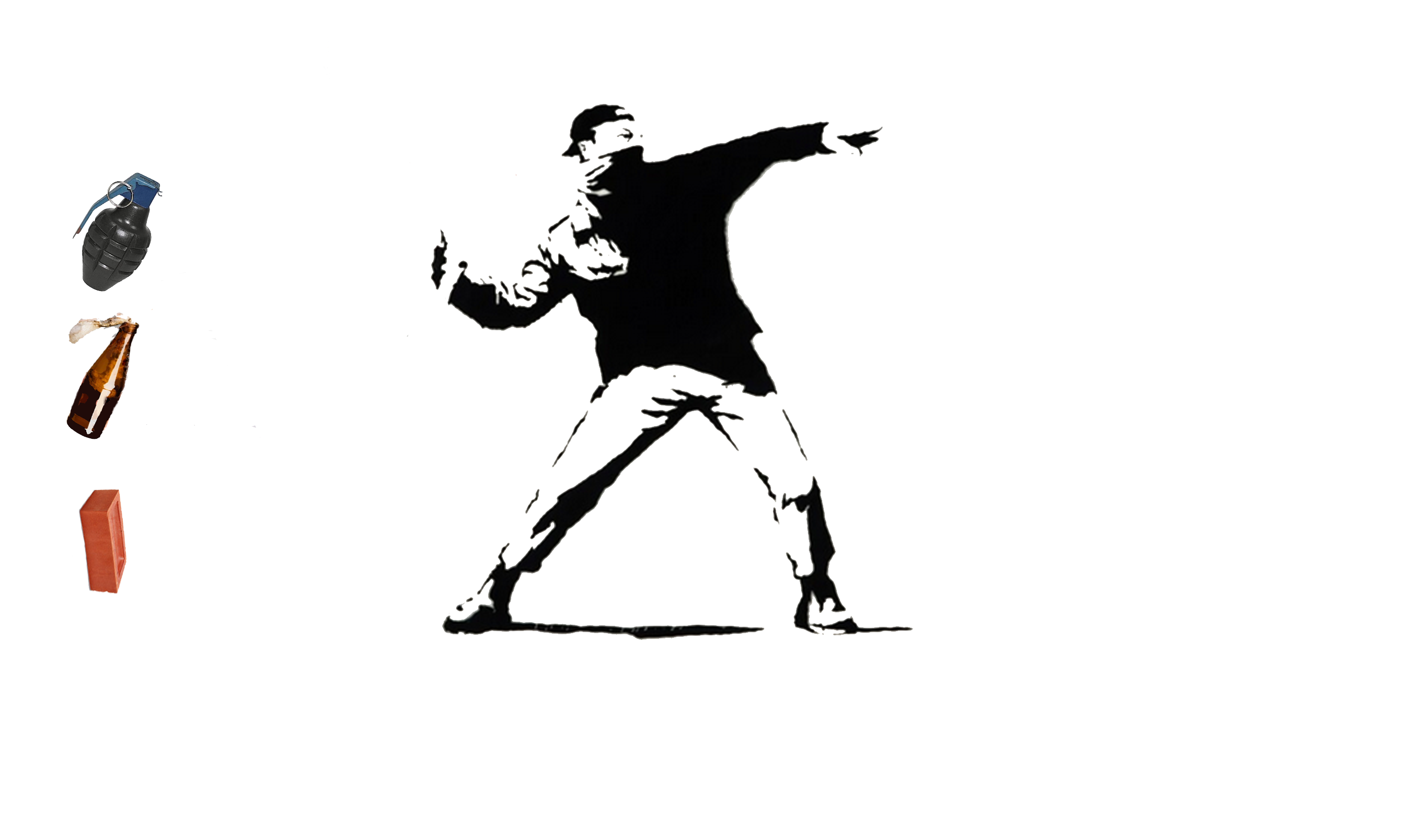
Start with a really strong visual item with its own very clear value set. This image is about violence, rebellion, unrest, protest, anti-authority etc.

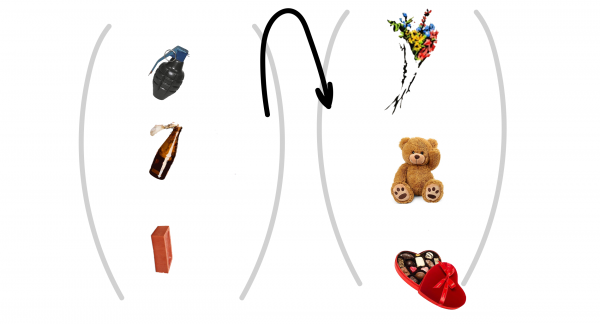
What are we expecting the image to have as a projectile? Could be any in the set of violent, riot-worthy objects that are hand-held. In the larger set are burning cars and smashed windows. But hand grendade bottle and brick are all roughly the same size and emotive value.

Inverting the value gives you another set of objects. Things associated with fluffy love and appreciation.

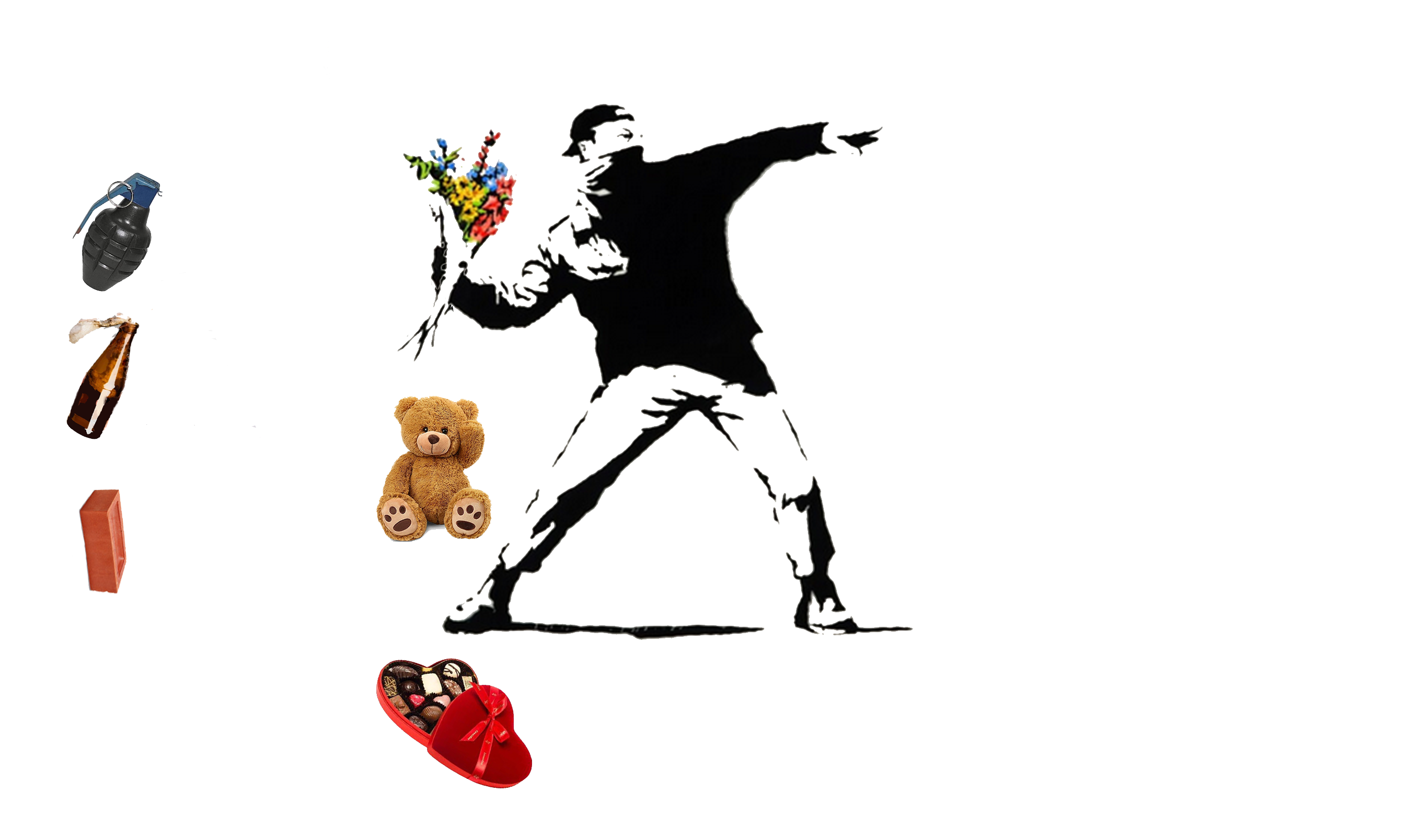
Any of the fluffy love and appreciaton set could be here, but the one that works best looks a bit like a molotov cocktail and is most easily recognisable from its shape.

Et voila, the finished bansky idea with a bit of colour contrast to help it along. There is no real proposition in a Banksy so in some ways its the simplest form of idea to pull apart.