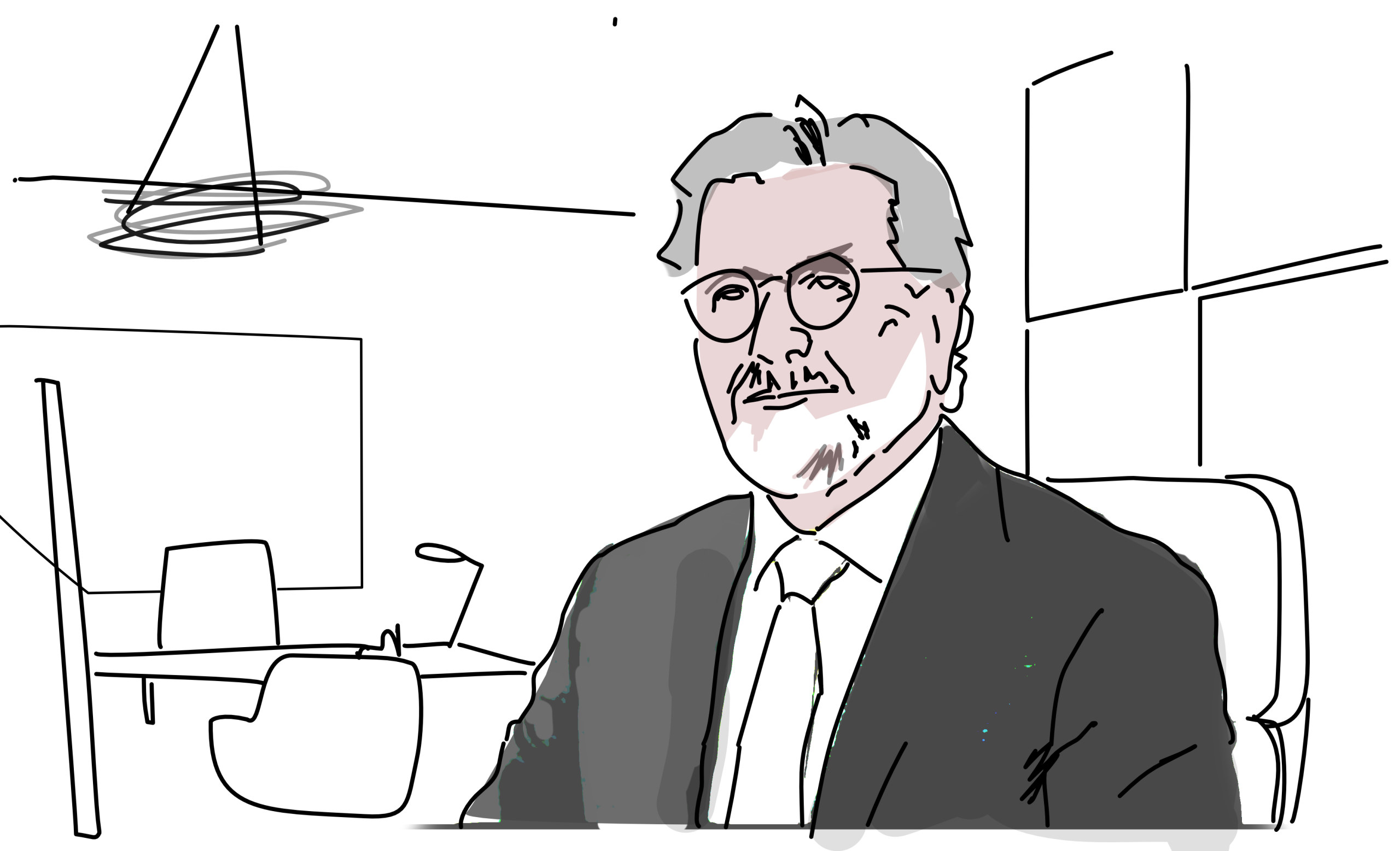
Michael Burtov, who runs the NSU Broward Center of Innovation, predicts that “proprietary observation will beat proprietary data”. For a decade, companies competed on who had the most data and muscle to process it. Now AI makes analysis cheap for everyone. “What becomes rare is not the ability to process information; it is the ability to notice what has not yet been formalized as information.”
So field work comes back. Burtov’s advice to founders is to spend less time asking AI to summarise markets and more time watching real work flows break down. The opportunity isn’t in the dashboard but in the workaround: the sticky note on the monitor, the spreadsheet nobody admits is mission-critical, the late-night phone call, the exception the software never anticipated.
Content works the same way. Much of today’s content is borrowed from what has already been written down. And that’s a problem if you’re after clicks and domain authority.
Google is asking for what machines can’t notice
The first question in Google’s own guidance on helpful content is whether a page provides “original information, reporting, research, or analysis”. It goes on to ask for insight “beyond the obvious”, and for more than rewriting what other sources already say.
So it’s time to get the specific, granular detail that makes content worth clicking, and it’s the one thing your competitors can’t copy, because it comes from your customers and nobody else’s.